
STACEY LYNN LIFESTYLES AND BODYWORK
Learn the Work
MORE THAN TECHNIQUE
Most practitioners are taught to look for the problem.
Find what’s tight. Find what isn’t moving. Find the thing that needs to release, correct, or change.
And sometimes that works. But bodies don’t always respond according to plan.
WHAT IF YOUR CLIENT’S BODY ISN’T RESISTING YOU?
The work I teach begins with learning to notice what is happening before deciding what needs to happen next.
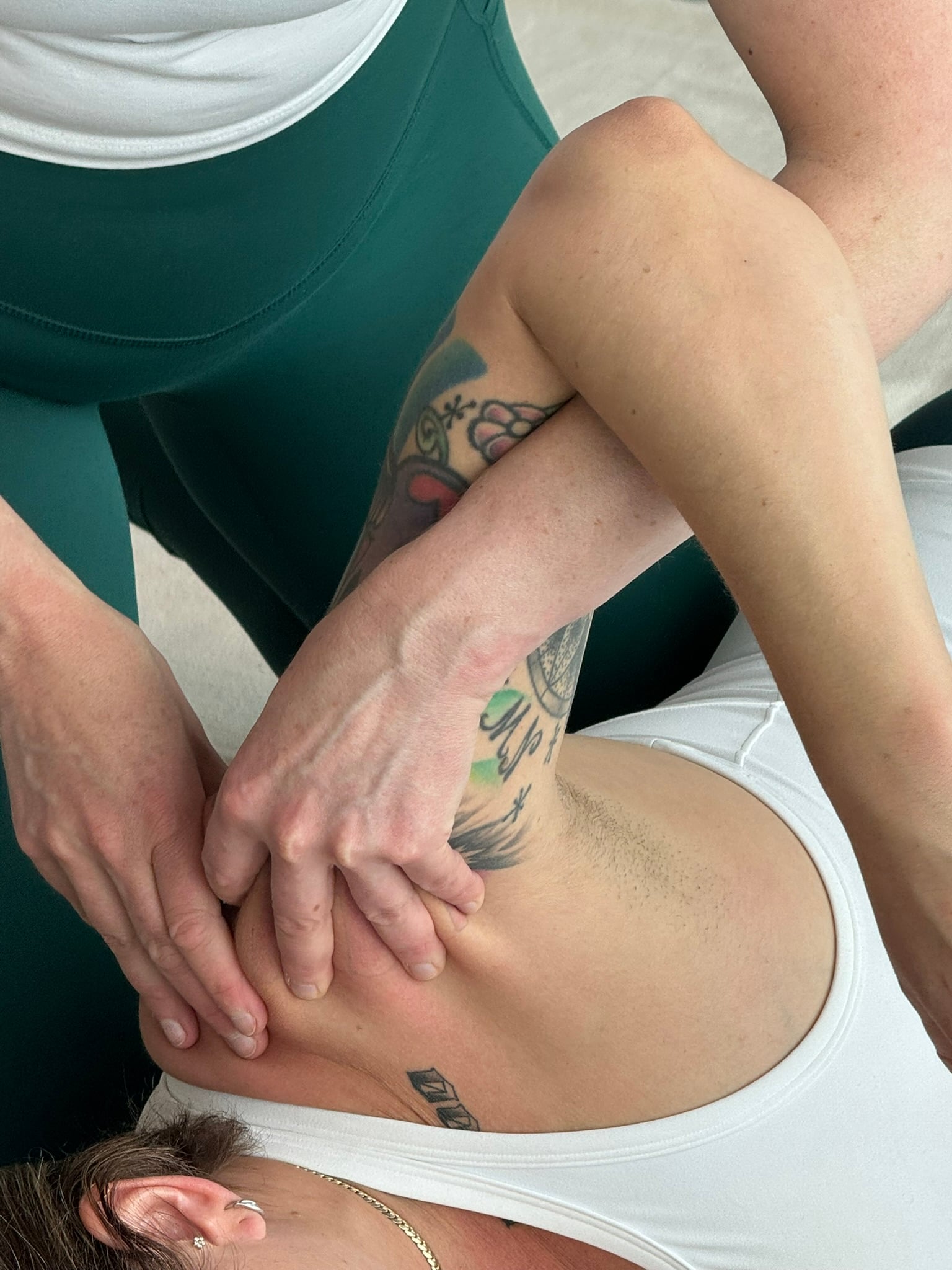
Technique → Listening
YOUR HANDS AREN’T JUST DOINGTHEY’RE LISTENING
You can know anatomy, biomechanics, techniques, assessments, and treatment strategies and still miss what is happening right underneath your hands.
Before we interpret what something means, there is sensation.
Pressure. Movement. Holding. Softening. Breath. Stillness. A response that changes when you stay instead of push.
The more precisely you can notice what is happening, the less quickly you need to decide what it means.
The point isn’t to stop using what you know. It’s to give what you notice enough room to matter.
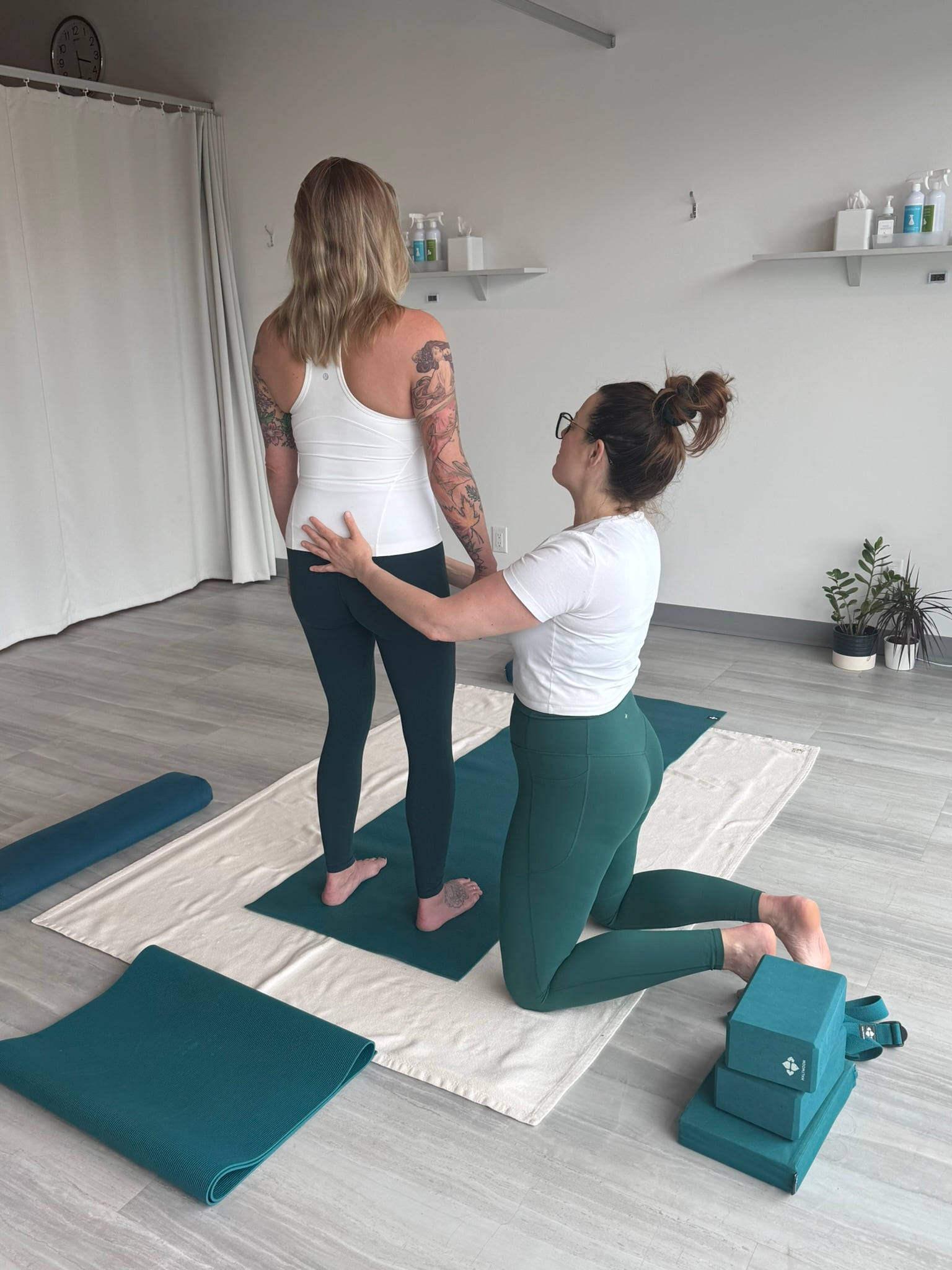
Listening → Response
RESISTANCE ISN’T AN OBSTACLE
A client may brace before they know they’re bracing. Hold their breath before they realize they’re uncertain. Tighten against touch they consciously want to receive.
Those responses aren’t necessarily obstacles to the work. They are part of the information.
When you can notice a response while it is happening, you don’t have to immediately correct it, override it, or explain it. You can become curious about what changes.
THE BREATHchanges when you stay.
THE TISSUEresponds differently when you stop pushing.
THE CLIENTnotices something they hadn’t felt before.
Response → Possibility
YOU DON’T HAVE TO KNOW WHAT’S WRONG
You need enough presence to notice what is happening, enough curiosity not to decide too quickly, and enough skill to respond to what changes.
Where Many Practitioners Begin
TOUCH IS A DIALOGUE
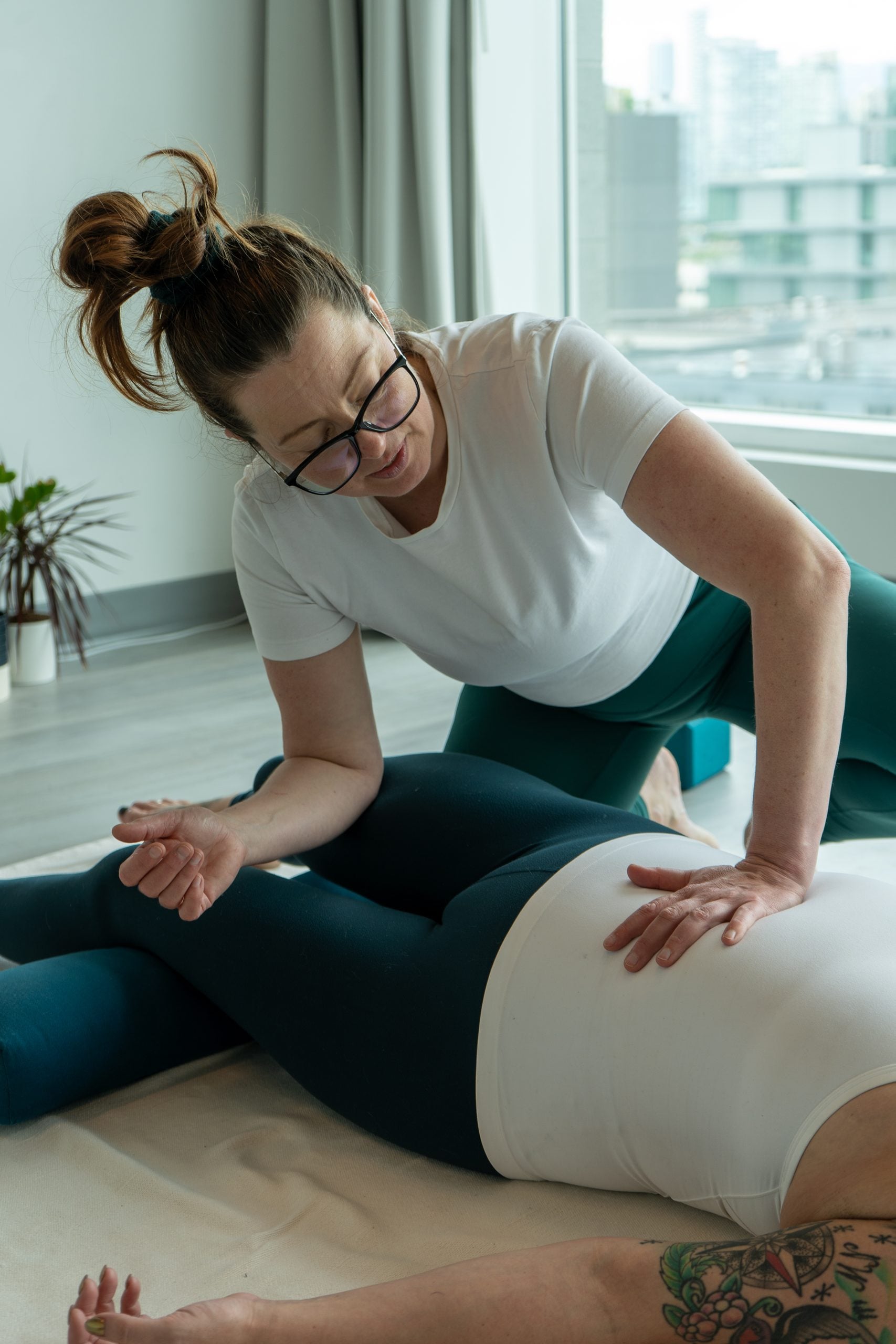
Touch gives you information that technique alone cannot.
When you stop treating tissue as something to manipulate and begin paying attention to how the person responds through sensation, breath, movement, tension, and orientation, treatment becomes a conversation.
You are still working with the body. You are simply no longer assuming that your job is to decide what it needs to do.
Where It Goes Next
HOW YOU SHOW UPCHANGES THE WORK
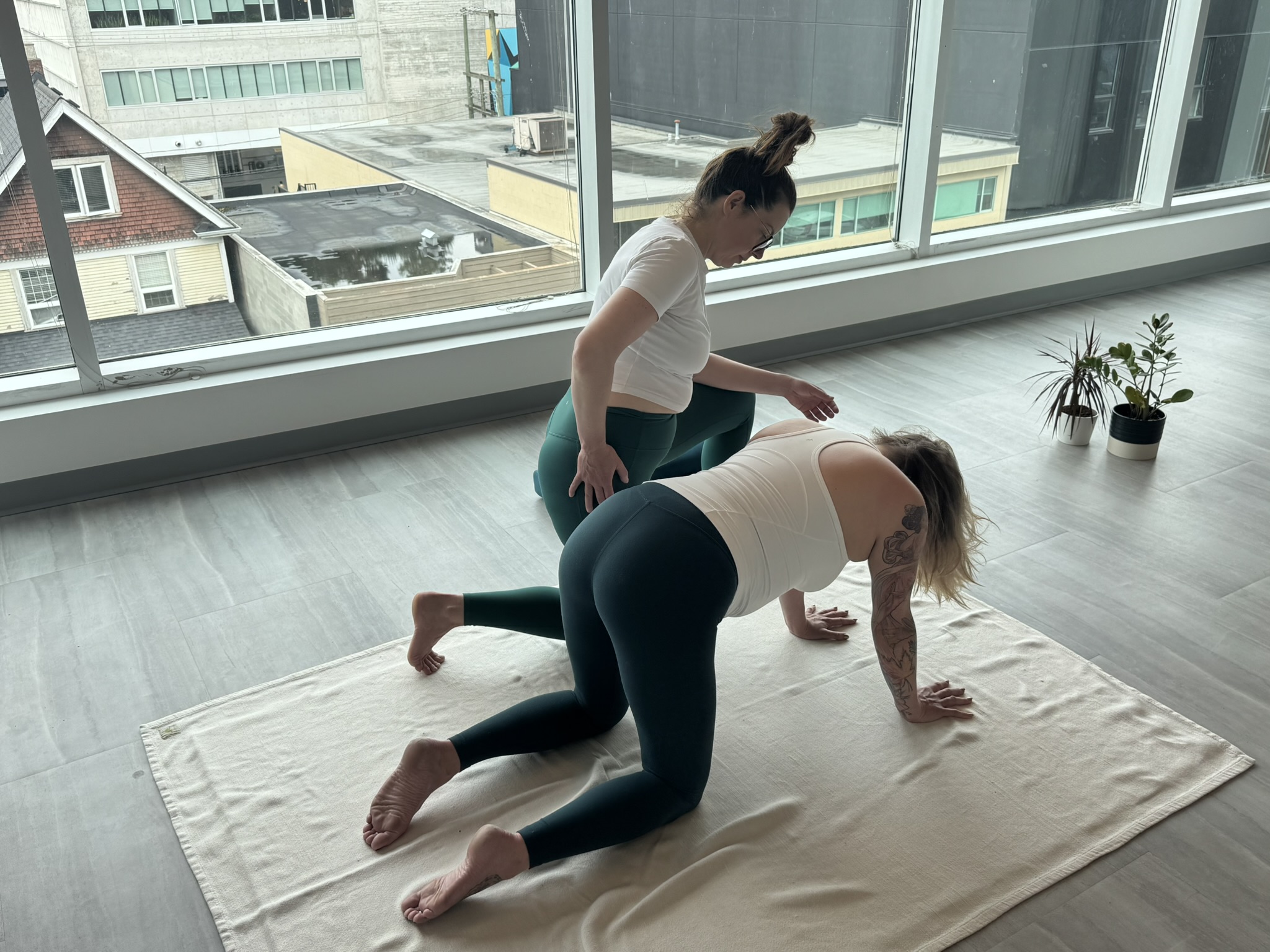
You are not outside the interaction observing it. You are part of it.
Your pace. Your certainty. Your attention. The pressure to create an outcome. What happens in you when a client becomes uncomfortable, uncertain, emotional, quiet, or doesn’t change.
THE PRACTITIONER IS PART OF THE CONVERSATION.
Ways to Learn the Work
THERE’S MORE THAN ONE WAY TO DEVELOP THE SKILL
Different learning environments reveal different parts of your practice. Study the framework, practise it with others, bring your own cases into mentorship, or explore one aspect of the work in greater depth.
FASCIAL INTELLIGENCE METHOD™ LEVEL ONE
Build the foundations of listening, embodied guidance, and responsive touch.
EXPLOREPRIVATE MENTORSHIP
Bring your actual practice, questions, clients, and edges into the work.
EXPLORESMALL-GROUP MENTORSHIP
Learn through shared cases, practice, observation, and conversation.
EXPLOREPRACTITIONER WORKSHOPS
Explore specific aspects of touch, presence, communication, and embodied practice.
EXPLORECurrent Dates
LOOKING FOR PRACTITIONER TRAINING?
Find current practitioner training dates, locations, and registration links in one place.
The Method
FASCIAL INTELLIGENCE METHOD™
The Fascial Intelligence Method™ is an approach to bodywork and embodied practice built around listening before interpretation. It develops your ability to notice sensation, response, orientation, and change without immediately deciding what the body needs.
LEVEL ONE
Build the foundations of listening, touch as dialogue, nervous-system awareness, embodied guidance, restriction and resistance, orientation, and interpretation.
LEVEL TWO
Continue the work through three deeper blocks, beginning with Return to Neutral.
COMING SOON
“You can only meet others as deeply as you’ve met yourself.”
Stacey Lynn Mitchell
If you’re ready to work differently, start with Level One.